


When homeowners think about a landscape renovation, they often picture new patios, attractive plants, shade structures, and outdoor kitchens. One of the most important parts of the project, however, is something that is rarely noticed when it's done correctly: drainage.
Arizona may be known for its dry desert climate, but that doesn't mean drainage can be overlooked. Long periods of little rainfall are often interrupted by powerful monsoon storms that can deliver heavy rain in a short amount of time. Without proper planning, water can collect where it shouldn't, affecting both the appearance and functionality of your outdoor space.
A thoughtful approach to drainage planning Arizona homeowners can rely on begins before construction starts. By considering grading, irrigation, hardscape placement, and water movement during the design phase, homeowners can create a landscape that performs well throughout the year.
It may seem surprising that drainage is such an important topic in the desert, but Arizona landscapes experience unique weather conditions.
Most of the year is dry, yet seasonal monsoon storms can quickly overwhelm areas that are not designed to handle sudden rainfall.
A well-planned drainage system helps direct water away from areas where it can create problems while supporting healthy plants and functional outdoor spaces.
Professional Phoenix landscape design considers how water moves across the property before patios, planting beds, retaining walls, or outdoor living features are installed.
When drainage is planned early, every element of the landscape can work together more effectively.
Poor drainage can affect much more than the appearance of a yard.
Water that is not directed appropriately may collect in low areas, move across hardscape surfaces, or create uneven conditions throughout the property.
The following are some of the most common issues associated with inadequate drainage planning.
One of the most noticeable signs of poor drainage is water that remains in certain areas after a storm.
Standing water can make portions of the landscape difficult to use and may interfere with outdoor activities until the area dries.
Thoughtful grading helps direct water away from gathering spaces, patios, and walkways so the landscape remains functional after rainfall.
Fast-moving water can wash away soil, mulch, decorative rock, and other landscape materials.
Over time, erosion may change the appearance of planting beds and expose plant roots that should remain protected.
A properly designed drainage plan helps manage runoff while preserving the integrity of landscape features.
Patios and walkways are designed to make outdoor spaces more comfortable and accessible.
Without proper drainage, however, water may collect on or around these surfaces during heavy rain.
Considering drainage during the design process helps ensure hardscape features continue to perform as intended while remaining enjoyable to use throughout the year.
Many homeowners focus on irrigation when planning their landscape, but drainage is equally important for supporting healthy plants.
Even native and drought-tolerant plants benefit from soil conditions that allow excess water to move away from their root systems after heavy rainfall.
When selecting plants for Arizona landscapes, professional designers consider:
Combining thoughtful plant selection with proper drainage planning creates a healthier landscape that is better suited to Arizona's climate.
Outdoor living spaces have become a central feature of many Arizona homes.
Patios, outdoor kitchens, fire features, seating areas, and entertainment spaces are designed to be enjoyed throughout much of the year.
Proper drainage planning helps protect these investments by managing water movement before problems develop.
When grading and drainage are incorporated into the original landscape design, outdoor spaces are better prepared to handle Arizona's changing weather conditions while remaining comfortable and functional for everyday use.
Successful drainage planning Arizona homeowners can depend on begins with a complete landscape design. Every feature should work together to move water efficiently while supporting the overall appearance and function of the property.
Grading is one of the most important parts of landscape drainage.
A properly graded yard helps direct water away from the home and toward appropriate drainage areas. It also helps reduce pooling around patios, walkways, planting beds, and outdoor gathering spaces.
Grading should be considered before installing:
Planning these elements together helps create a landscape that looks seamless while managing water effectively.
Drainage and irrigation serve different purposes, but they should work together as part of a complete landscape plan.
Irrigation provides plants with the water they need to thrive, while drainage helps remove excess water after heavy rainfall.
When these systems are planned together, homeowners can create landscapes that support healthy plant growth while preparing for Arizona's changing weather conditions.
Many professionally designed landscapes include:
Plant selection also plays a role in drainage planning.
Native and drought-tolerant plants are generally well adapted to Arizona's climate, but they still perform best when planted in locations with appropriate drainage.
Grouping plants with similar water requirements helps simplify irrigation while supporting healthier growing conditions.
Thoughtful plant placement also complements grading and hardscape features, creating a landscape that is both functional and visually appealing.
Drainage issues are often easier to prevent than they are to correct after a landscape has been installed.
Here are a few common mistakes homeowners should avoid.
Drainage should be addressed during the design phase rather than after standing water or erosion becomes noticeable.
Planning ahead allows drainage to be integrated naturally into the overall landscape.
A beautiful patio or planting bed is important, but how water moves through the landscape is just as critical.
Considering drainage early helps protect the performance of every landscape feature.
Arizona's dry climate can make drainage seem like a low priority, but seasonal monsoon storms can produce significant runoff in a short amount of time.
Designing with these weather patterns in mind helps landscapes remain functional throughout the year.
Drainage should not be viewed as an afterthought.
It works best when planned alongside grading, irrigation, hardscape, plant selection, and outdoor living spaces as part of one comprehensive landscape design.
Although Arizona has a dry climate, seasonal monsoon storms can bring heavy rainfall in a short period. Proper drainage planning helps direct water away from outdoor living spaces, planting beds, and hardscape features.
Drainage should be planned before construction begins. Incorporating it into the overall landscape design allows grading, irrigation, and hardscape to work together effectively.
Yes. Healthy drainage helps prevent excess water from collecting around plant roots after storms. This supports better growing conditions for native and drought-tolerant plants as well as ornamental landscaping.
Absolutely. Xeriscaping focuses on water-efficient landscaping, while drainage planning manages excess rainfall. Together, they create landscapes that are well suited to Arizona's climate.
Yes. Proper drainage helps patios, seating areas, outdoor kitchens, walkways, and entertainment spaces remain more usable after rainfall by reducing water accumulation in frequently used areas.
Explore the MountainScapers Project Gallery to see how professionally designed Arizona landscapes combine thoughtful grading, efficient drainage, custom hardscape, native plants, and outdoor living spaces into beautiful environments built to perform in the desert climate.

.png)
.webp)

Discover the backyard transformations Arizona homeowners are choosing to improve outdoor living, functionality, comfort, and long-term landscape value.
Read More...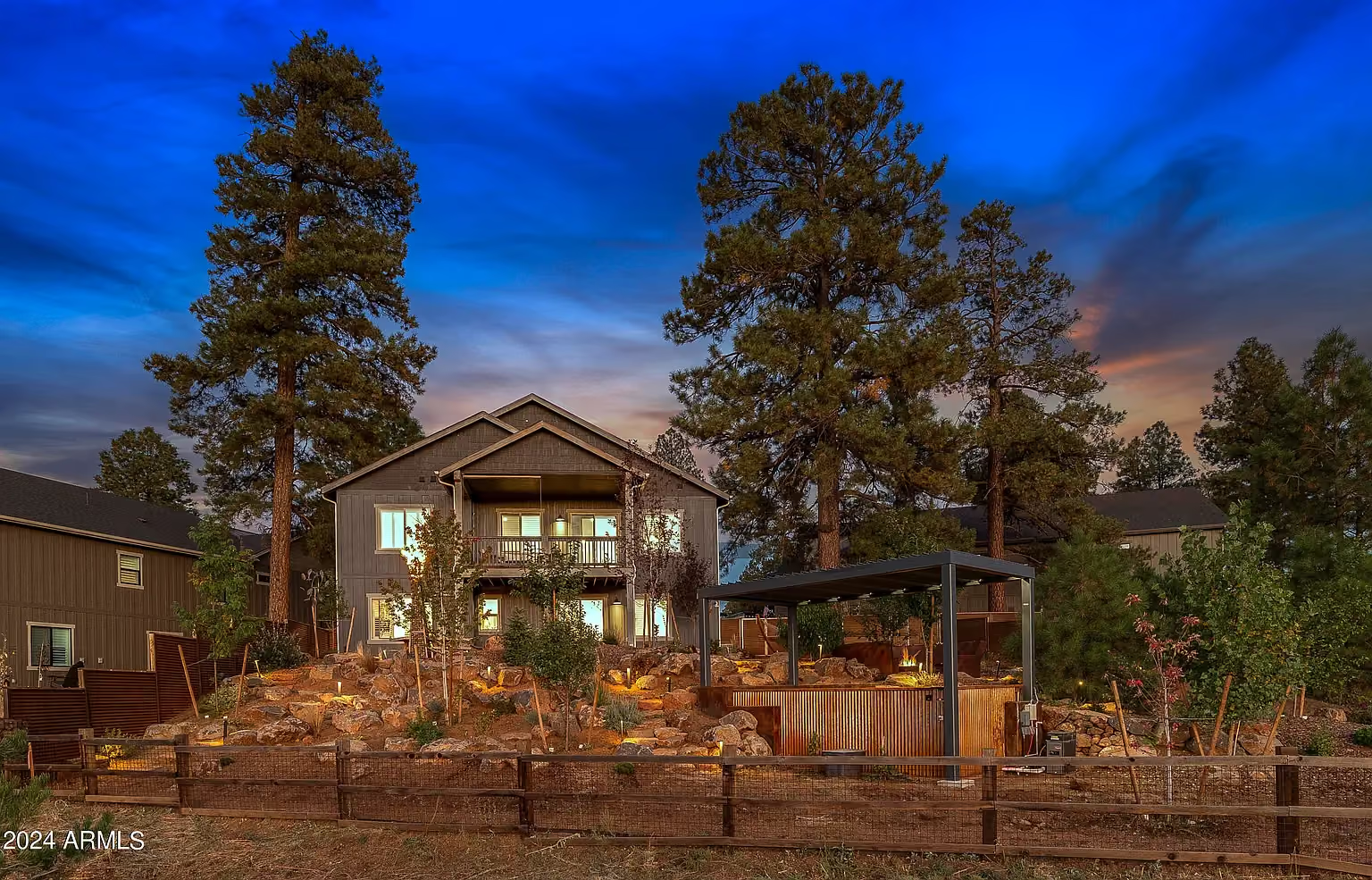
Learn how professional landscape design Arizona homeowners use to avoid costly mistakes, improve efficiency, and create long-lasting outdoor spaces.
Read More....avif)
Learn how modern desert landscaping Arizona homeowners can combine clean design, native plants, natural materials, and outdoor living features for a beautiful desert yard.
Read More...


