


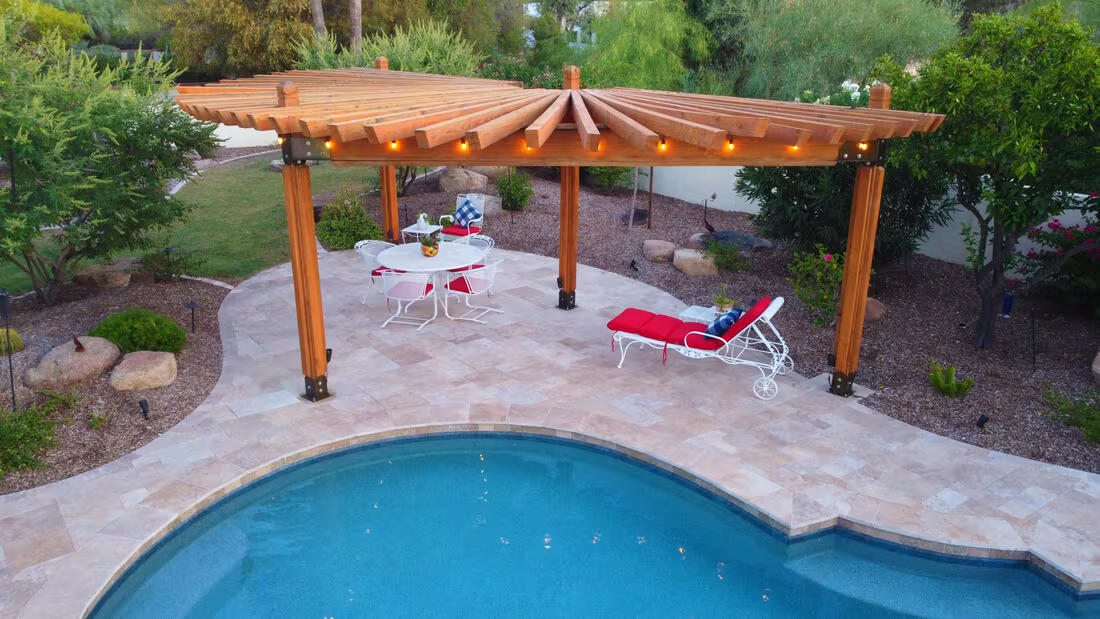
Arizona landscapes are designed to handle some of the harshest conditions in the country. Extreme summer heat, limited rainfall, and water conservation challenges all require thoughtful planning. However, even beautiful desert landscaping can create problems if it is not designed with your home's foundation in mind.
Many homeowners focus on choosing the right plants, adding outdoor living features, or creating a visually appealing backyard. While those elements matter, proper drainage, irrigation, and plant placement are just as important.
Understanding common desert landscaping mistakes can help homeowners avoid costly repairs and protect their investment. A well-planned Phoenix landscape design should enhance your property while managing water responsibly and directing moisture where it belongs.
Your landscape and your home's foundation are more connected than many homeowners realize.
In Arizona, water management is one of the most important parts of landscape planning. While plants need consistent irrigation to survive the desert climate, excessive moisture near your home's foundation can contribute to soil movement and drainage problems over time.
Arizona's monsoon season creates another challenge. Heavy rainfall can quickly expose issues with grading, runoff, and drainage that may not be noticeable during the dry months.
A successful desert landscape balances several priorities:
Professional landscape design focuses on these details from the beginning, helping homeowners create spaces that are both beautiful and functional.
One of the most common desert landscaping mistakes is installing a landscape without considering how water moves across the property.
The ground around your home should generally direct water away from the foundation. If the landscape slopes toward your house, irrigation and rainwater can collect near the foundation instead of draining properly.
Signs of grading issues may include:
When planning a landscape renovation, grading should be considered before adding plants, gravel, or hardscaping. A beautiful landscape will not perform well if water management is overlooked.
Water conservation is an important part of Arizona landscaping, but efficient watering is also important for protecting your home.
One common mistake is placing irrigation emitters or sprinklers too close to the foundation. While plants near the house may seem convenient, excessive moisture in that area can create unnecessary problems.
Common irrigation issues include:
A well-designed irrigation system delivers water where plants need it without creating excess moisture around your home.
Drip irrigation, smart controllers, and properly planned watering zones help support healthy plants while reducing unnecessary water use.
Trees are one of the most valuable additions to an Arizona landscape. They provide shade, improve outdoor comfort, and make yards more enjoyable during the hottest months of the year.
However, tree placement matters.
Large trees planted too close to foundations, walkways, or structures can create long-term maintenance challenges. As trees mature, their root systems expand and their water needs change.
Before planting a large shade tree, homeowners should consider:
The goal is not to avoid trees. In fact, properly placed shade trees are an important part of successful desert landscaping. The key is selecting the right tree for the right location.
Arizona homeowners know that most of the year is dry, but monsoon storms can bring intense rainfall in a short period of time.
A landscape that performs well during dry conditions may still struggle when heavy rain arrives. Without proper drainage planning, water can collect near foundations, wash away soil, or damage landscape features.
Common drainage mistakes include:
A thoughtful Phoenix landscape design considers both everyday irrigation and seasonal storms. Proper drainage solutions may include grading adjustments, drainage channels, or carefully planned hardscape layouts that help guide water safely away from your home.
Hardscaping is an important part of many Arizona landscapes. Patios, walkways, retaining walls, and decorative stone can create beautiful outdoor living spaces while reducing maintenance.
However, hardscape features should always be planned with drainage in mind.
One of the most common desert landscaping mistakes is adding new surfaces without considering how they change the way water moves across the property. Large areas of concrete, pavers, or compacted materials can redirect runoff toward areas where water was not previously collecting.
Potential problems include:
A successful landscape design combines attractive materials with proper grading and drainage planning. Features like permeable materials, carefully designed slopes, and strategic drainage solutions can help protect your home while creating functional outdoor spaces.
Even the best irrigation system requires regular attention. Over time, components can wear out, shift, or become damaged by weather and normal landscape maintenance.
Small irrigation problems can become larger issues when they go unnoticed.
Homeowners should regularly check for:
An irrigation system that was properly designed years ago may no longer match the needs of a landscape that has matured. Plants grow, trees develop larger root systems, and watering requirements change over time.
Routine irrigation inspections help ensure your landscape receives the right amount of water while supporting water conservation efforts.
For Arizona homeowners, efficient irrigation is not only about protecting plants. It is also about managing moisture responsibly around your home.
Plant selection is one of the most important parts of desert landscaping. Choosing plants based only on appearance can create maintenance issues later.
Some plants may require more water, more pruning, or more protection from Arizona's extreme heat than expected. Others may simply be placed in areas where they cannot thrive.
A successful landscape considers:
Native plants and climate-adapted plants are often excellent choices because they are better suited to Arizona's environment. When paired with proper irrigation and thoughtful placement, they create landscapes that are both attractive and easier to maintain.
A well-designed landscape does more than improve curb appeal. It creates a system where plants, irrigation, drainage, and outdoor living features work together.
Professional Phoenix landscape design considers the details that are easy to overlook, including:
This approach is especially important for luxury homes where the landscape is a major part of the property's overall design.
A thoughtful desert landscape should feel effortless, but achieving that balance requires careful planning. The right design protects your home while creating outdoor spaces that are comfortable, functional, and built for Arizona's unique climate.
Landscaping itself does not typically damage a foundation when properly designed and maintained. However, poor drainage, excessive moisture near the home, and improper plant placement can contribute to conditions that may affect foundation performance over time.
The ideal distance depends on the plant species, mature size, irrigation needs, and property layout. Larger trees and shrubs generally require more space to allow healthy growth without creating maintenance issues near structures.
Xeriscaping can support foundation protection when it is designed correctly. Water-efficient landscapes use plants and irrigation methods that reduce unnecessary moisture while still maintaining healthy vegetation.
Improving drainage may involve adjusting grading, redirecting irrigation, adding drainage solutions, or redesigning parts of the landscape. A professional evaluation can help identify the cause of water management issues.
If your yard regularly experiences pooling water, erosion, or irrigation issues, a landscape renovation may be a good solution. A complete design can address underlying problems instead of repeatedly fixing symptoms.
Explore the MountainScapers Project Gallery to see how thoughtfully designed Arizona landscapes combine desert-friendly plants, efficient irrigation, drainage planning, and outdoor living features to create beautiful spaces that are built to last.

.png)
.webp)

Discover the backyard transformations Arizona homeowners are choosing to improve outdoor living, functionality, comfort, and long-term landscape value.
Read More...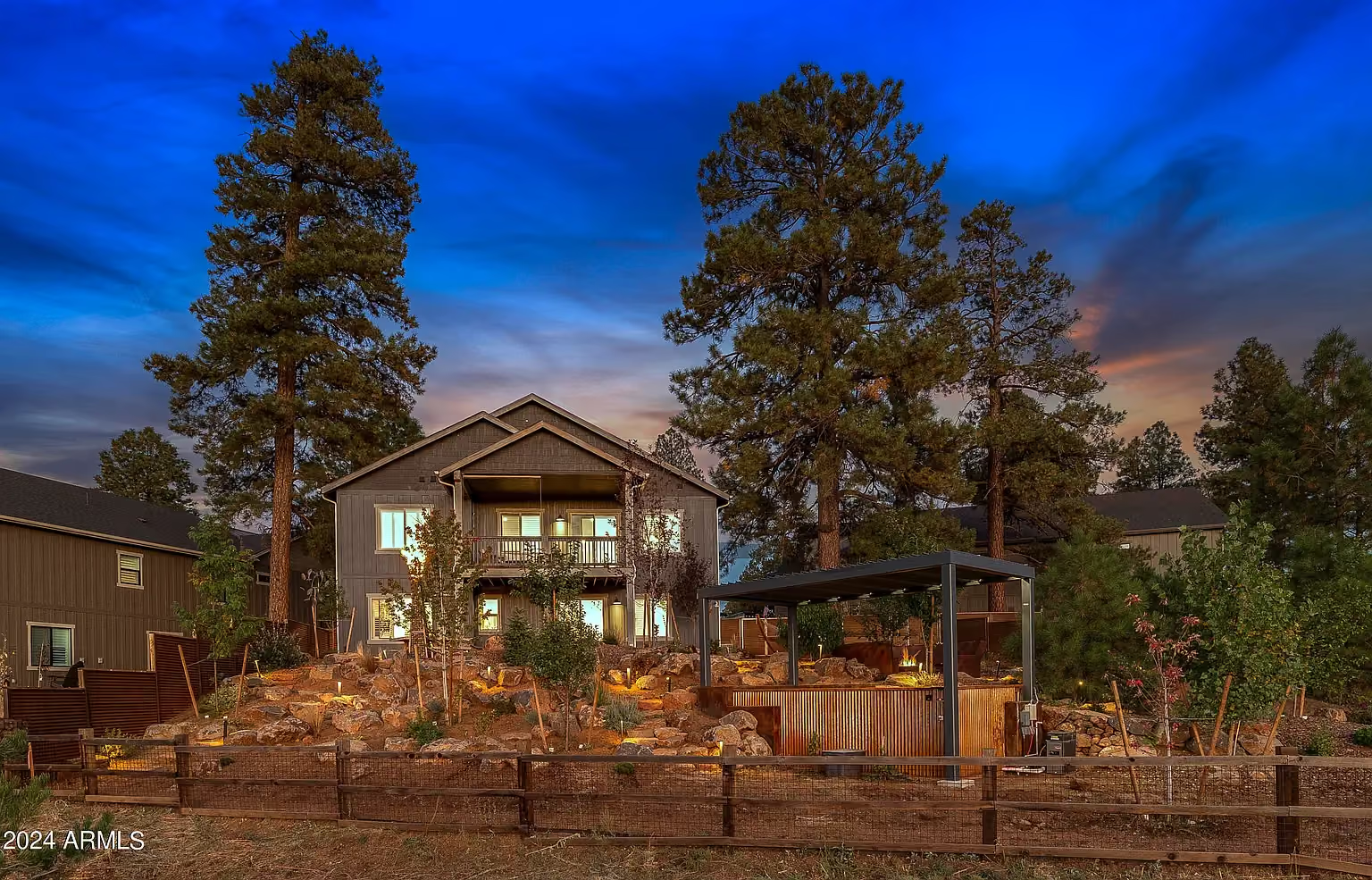
Learn how professional landscape design Arizona homeowners use to avoid costly mistakes, improve efficiency, and create long-lasting outdoor spaces.
Read More....avif)
Learn how modern desert landscaping Arizona homeowners can combine clean design, native plants, natural materials, and outdoor living features for a beautiful desert yard.
Read More...


