


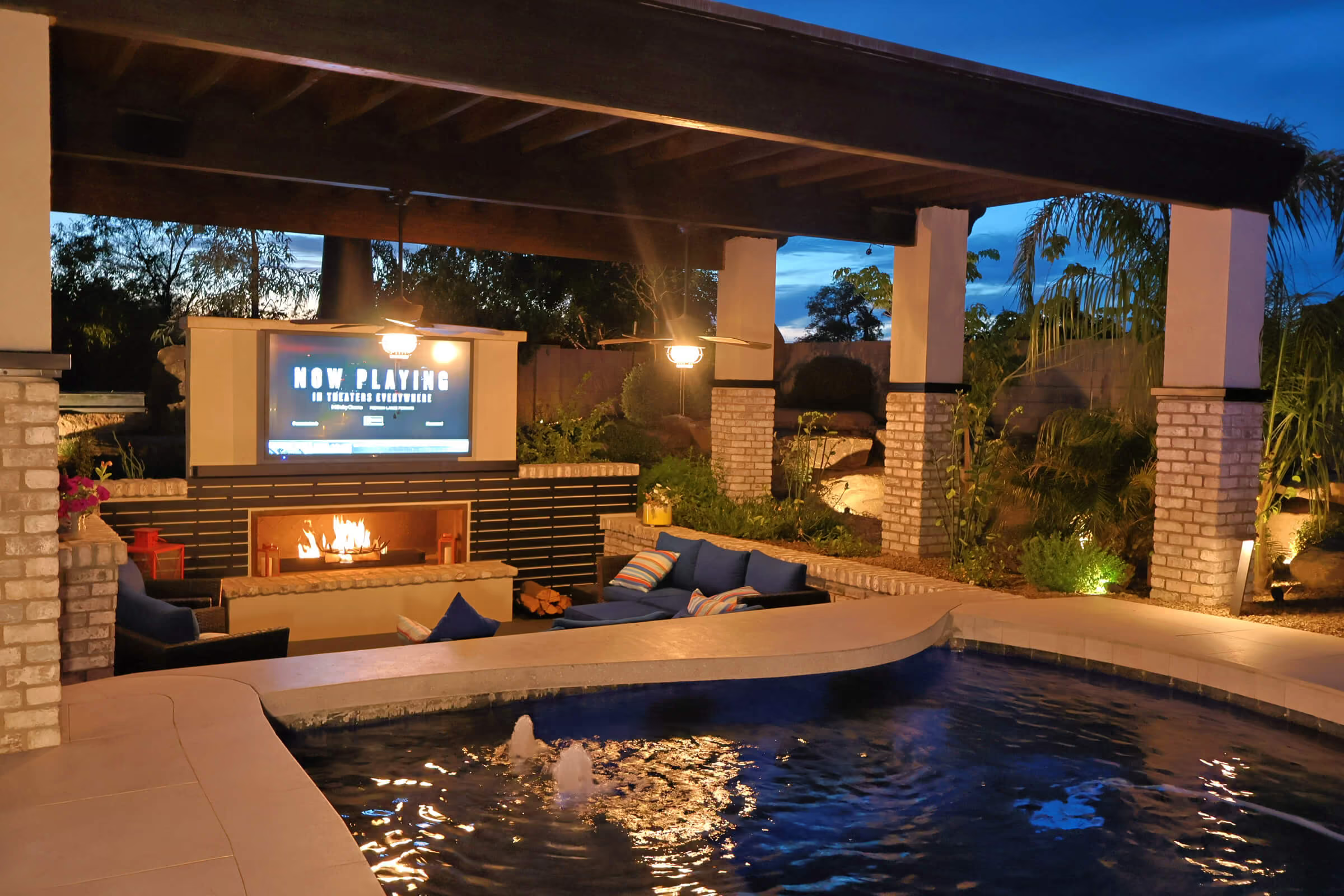
A beautiful pool landscape should make your backyard easier to enjoy, not create a long list of weekend chores. Yet many Arizona homeowners discover that certain plant choices, hardscape materials, and layout decisions can lead to constant debris, extra cleanup, and unnecessary maintenance.
The good news is that a thoughtfully designed pool landscape can be both attractive and practical. By planning the entire space around Arizona's desert climate, homeowners can create an outdoor environment that looks polished while reducing ongoing upkeep.
Understanding how to landscape around a pool Arizona homeowners can enjoy year-round starts with choosing the right combination of plants, shade, hardscape, irrigation, and outdoor living features. The goal is not to eliminate maintenance completely, but to design a space that stays cleaner, performs better, and requires less effort over time.
Low-maintenance pool landscaping is about making smart design decisions before installation begins.
Instead of focusing only on appearance, a successful Phoenix pool landscaping plan considers how the space will function during everyday use.
Key factors include:
When these elements work together, homeowners spend more time enjoying the pool and less time managing the surrounding landscape.
Plant selection is one of the most important decisions in any landscape around a pool Arizona project.
Some plants thrive in the desert climate while producing relatively little debris. Others may drop large amounts of leaves, flowers, or seed pods that can increase pool cleanup.
Look for plants that are:
Arizona-friendly plants can provide color, texture, and visual interest while supporting a lower-maintenance landscape.
Rather than filling the area immediately around the pool with dense planting beds, consider creating focal points with carefully selected shrubs, succulents, ornamental grasses, and flowering plants that are appropriate for Arizona's climate.
One of the easiest ways to reduce maintenance is to avoid scattering plants randomly around the pool.
Instead, group plants into defined planting beds that are separated from pool decking and gathering areas. This creates a cleaner appearance while making irrigation and maintenance easier to manage.
Benefits of organized planting zones include:
Well-designed planting beds can still feel lush and inviting while keeping the pool area more functional.
Shade is essential in Arizona, especially around pools where surfaces can become extremely hot during the summer.
However, the location of shade trees and structures should be considered carefully.
Pergolas, covered patios, cabanas, and other shade structures create comfortable places to relax without introducing additional plant debris into the pool.
These structures work especially well near:
When integrated into the overall landscape design, shade structures can also define outdoor rooms and create a more cohesive backyard layout.
Trees provide valuable natural shade and can make a pool area much more enjoyable during Arizona's hottest months. However, placement is just as important as the species you choose.
Position trees where they provide afternoon shade for seating areas, patios, and walkways while minimizing the amount of leaves, flowers, or seed pods that fall directly into the water.
Thoughtful tree placement can improve comfort without increasing maintenance.
Pool decks, patios, and walkways experience constant sun exposure, water, and foot traffic. Choosing quality materials helps reduce maintenance while creating a backyard that performs well for years.
When selecting hardscape materials, consider:
A well-designed hardscape layout also helps organize the pool area into distinct spaces for entertaining, relaxing, and moving through the yard.
One of the most overlooked aspects of pool landscaping is how water moves through the yard.
While Arizona is known for its dry climate, heavy monsoon storms can quickly overwhelm a poorly planned landscape. Water should always be directed away from the pool, home, and outdoor living areas to help prevent erosion, standing water, and unnecessary wear on hardscape.
At the same time, irrigation should be designed specifically for the surrounding plants rather than the pool itself.
A well-planned irrigation system can include:
Grouping plants with similar water needs also makes the landscape easier to maintain while supporting healthy growth.
A pool should feel like part of a complete outdoor living space, not an isolated feature in the backyard.
Today's Arizona homeowners are creating pool environments that include comfortable gathering areas for family and friends.
Popular additions include:
Planning these features together allows the entire backyard to function as one connected space while keeping maintenance manageable.
Thoughtful spacing between planting beds, walkways, and entertainment areas also makes cleaning and routine upkeep easier.
Even high-quality materials and attractive plants can create extra work if the overall design is not carefully planned.
Crowded planting beds can allow leaves, flowers, and other plant material to reach the water more easily.
Leaving appropriate space between planting areas and the pool edge helps simplify maintenance.
Small plants often look perfect immediately after installation, but they continue to grow.
Choosing plants based on their mature size helps avoid overcrowding and reduces future pruning.
Combining too many hardscape materials, plant styles, or decorative elements can make the landscape feel busy and increase maintenance.
A cohesive material palette is often easier to maintain while creating a more refined appearance.
Landscape designs should leave room for pool equipment access, irrigation maintenance, and routine cleaning.
Planning for maintenance from the beginning helps avoid unnecessary challenges later.
The best pool landscapes are designed with long-term enjoyment in mind.
Instead of selecting features based only on appearance, consider how each decision will affect maintenance, comfort, and usability over the coming years.
A successful landscape around a pool Arizona homeowners can enjoy balances:
When these elements work together, the result is a backyard that remains inviting throughout Arizona's changing seasons.
Arizona-friendly plants, drought-tolerant shrubs, ornamental grasses, succulents, and appropriately placed shade trees are popular choices. Plant selection should also consider mature size, water needs, and the amount of natural debris the plant may produce.
Choosing appropriate plants, creating organized planting beds, placing trees strategically, and maintaining adequate distance between vegetation and the pool can help reduce the amount of debris that reaches the water.
Yes. Drip irrigation delivers water directly to planting areas and is commonly used in Arizona landscapes because it supports efficient watering while helping keep surrounding hardscape drier.
Yes. Shade structures and carefully placed trees can make pool areas much more comfortable during Arizona summers. The best solution depends on your yard layout, sun exposure, and overall landscape design.
A low-maintenance pool landscape combines climate-appropriate plants, efficient irrigation, durable hardscape materials, thoughtful drainage, and an organized layout that makes ongoing care simpler.
Explore the MountainScapers Project Gallery to see how professionally designed Arizona pool landscapes combine custom hardscape, Arizona-friendly plants, efficient irrigation, shade structures, and outdoor living spaces to create beautiful backyards that are built for long-term enjoyment.

.png)
.webp)

Discover the backyard transformations Arizona homeowners are choosing to improve outdoor living, functionality, comfort, and long-term landscape value.
Read More...
Learn how professional landscape design Arizona homeowners use to avoid costly mistakes, improve efficiency, and create long-lasting outdoor spaces.
Read More....avif)
Learn how modern desert landscaping Arizona homeowners can combine clean design, native plants, natural materials, and outdoor living features for a beautiful desert yard.
Read More...


