


When planning a landscape renovation, it's natural to look for ways to stay within budget. However, choosing the lowest-priced materials isn't always the best long-term decision, especially in Arizona's demanding climate.
The combination of extreme summer heat, intense sunlight, monsoon storms, and dry desert conditions puts every landscape to the test. Materials that perform well in milder climates may not hold up the same way in Phoenix, Scottsdale, Paradise Valley, Cave Creek, or Flagstaff.
Understanding the potential drawbacks of cheap landscaping materials Arizona homeowners often encounter can help you make informed decisions before your project begins. In many cases, selecting durable, climate-appropriate materials creates a landscape that performs better and looks beautiful for years to come.
Arizona's environment is unlike many other parts of the country.
Outdoor materials are exposed to:
These conditions affect nearly every part of a landscape, including patios, walkways, retaining walls, irrigation systems, lighting, shade structures, and plants.
A professional Phoenix landscape design takes these environmental factors into account from the very beginning. Instead of selecting materials based only on appearance or price, the goal is to choose products that perform well in Arizona's unique climate.
Finding affordable materials is an important part of many renovation projects. The challenge comes when the lowest-priced option isn't designed to withstand the conditions it will face.
In some cases, inexpensive materials may:
This doesn't mean every premium material is automatically the best choice. Instead, homeowners should consider how each material will perform in the environment where it will be installed.
A thoughtfully designed landscape balances appearance, durability, and functionality to create long-lasting results.
Hardscape forms the foundation of many outdoor living spaces.
Patios, walkways, retaining walls, seating areas, and pool decks are used every day, making material selection especially important.
When comparing hardscape options, consider factors such as:
Choosing quality hardscape materials helps create outdoor spaces that continue to perform well while maintaining their appearance through Arizona's changing seasons.
Whether you're designing a new patio or completing a full landscape renovation, investing in durable hardscape provides a strong foundation for the rest of the project.
An irrigation system is one of the most important parts of any Arizona landscape.
Even the healthiest plants depend on consistent watering, particularly during the hottest months of the year.
When irrigation components are selected based only on price, homeowners may end up with equipment that does not perform as reliably under demanding desert conditions.
A professionally designed irrigation system typically considers:
Quality irrigation components help support healthy trees, shrubs, and planting beds while working seamlessly with the overall landscape design.
Plants are one of the most visible parts of any landscape, but not every species is suited to Arizona's climate.
Selecting plants based only on appearance or availability can lead to disappointing results if they are not adapted to intense heat and dry conditions.
Instead, consider plants that are naturally suited for the desert environment, including native and drought-tolerant varieties.
These plants are better equipped to thrive in Arizona while contributing to a landscape that feels balanced, attractive, and appropriate for the local environment.
A thoughtfully planned planting design also supports xeriscaping principles and complements other landscape features, including hardscape, shade structures, and outdoor living spaces.
Landscape lighting adds both beauty and functionality to an outdoor space. It improves visibility along walkways, highlights architectural features, and creates an inviting atmosphere for evening entertaining.
Because lighting systems remain outdoors year-round, it's important to choose components designed to perform in Arizona's environment.
A quality lighting system can include:
Well-designed lighting should complement the overall landscape while providing dependable performance throughout the seasons.
Shade is one of the most valuable features in an Arizona landscape.
Pergolas, covered patios, and other shade structures help make outdoor living spaces more comfortable during periods of intense heat. They also create usable areas for dining, relaxing, and entertaining.
When selecting materials for shade structures, consider:
A thoughtfully designed shade structure becomes a permanent part of the landscape rather than an accessory that needs frequent replacement.
Every landscape element works together to create the finished outdoor environment.
When quality materials are used throughout the project, the result is often a landscape that feels more cohesive and performs better in Arizona's climate.
Whether you're adding a patio, outdoor kitchen, fire feature, planting beds, or custom walkways, selecting materials designed for desert conditions helps create outdoor spaces that remain attractive and functional over time.
A complete landscape plan also ensures that hardscape, plants, irrigation, lighting, and shade structures complement one another rather than competing for attention.
Choosing landscaping materials is about more than appearance. Keeping the following considerations in mind can help homeowners make informed decisions.
Cost is an important factor, but it should be balanced with durability, intended use, and suitability for Arizona's climate.
Using too many unrelated materials can make a landscape feel disconnected.
A consistent design palette helps create a polished outdoor space that complements the home's architecture.
Some plants struggle in the desert environment because they are not adapted to prolonged heat and limited rainfall.
Selecting native and drought-tolerant varieties creates a landscape that is better suited to local conditions.
Hardscape, irrigation, plants, lighting, and outdoor living areas should all be planned together.
A comprehensive design helps ensure every element contributes to a functional and visually appealing landscape.
Not necessarily. The best material depends on where it will be used and how it performs in Arizona's climate. Homeowners should evaluate durability, intended use, and long-term performance in addition to price.
Materials designed for outdoor use in hot, dry climates generally perform well. Heat-tolerant hardscape materials, climate-appropriate plants, durable shade structures, and quality irrigation components are all important parts of a successful Arizona landscape.
Native and desert-adapted plants are well suited to Arizona's climate. They fit naturally into desert landscapes and support water-conscious design when combined with appropriate irrigation.
Yes. Irrigation is a key part of any Arizona landscape. Planning it alongside the rest of the project helps support healthy plants and ensures the system works with the overall design.
Start by considering your goals, your property's conditions, and Arizona's climate. A professional landscape design plan can help you select materials that balance appearance, function, and durability.
Explore the MountainScapers Project Gallery to see how thoughtfully selected hardscape, native plants, quality irrigation, shade structures, and outdoor living features come together to create beautiful Arizona landscapes designed to stand up to the desert environment.

.png)
.webp)

Discover the backyard transformations Arizona homeowners are choosing to improve outdoor living, functionality, comfort, and long-term landscape value.
Read More...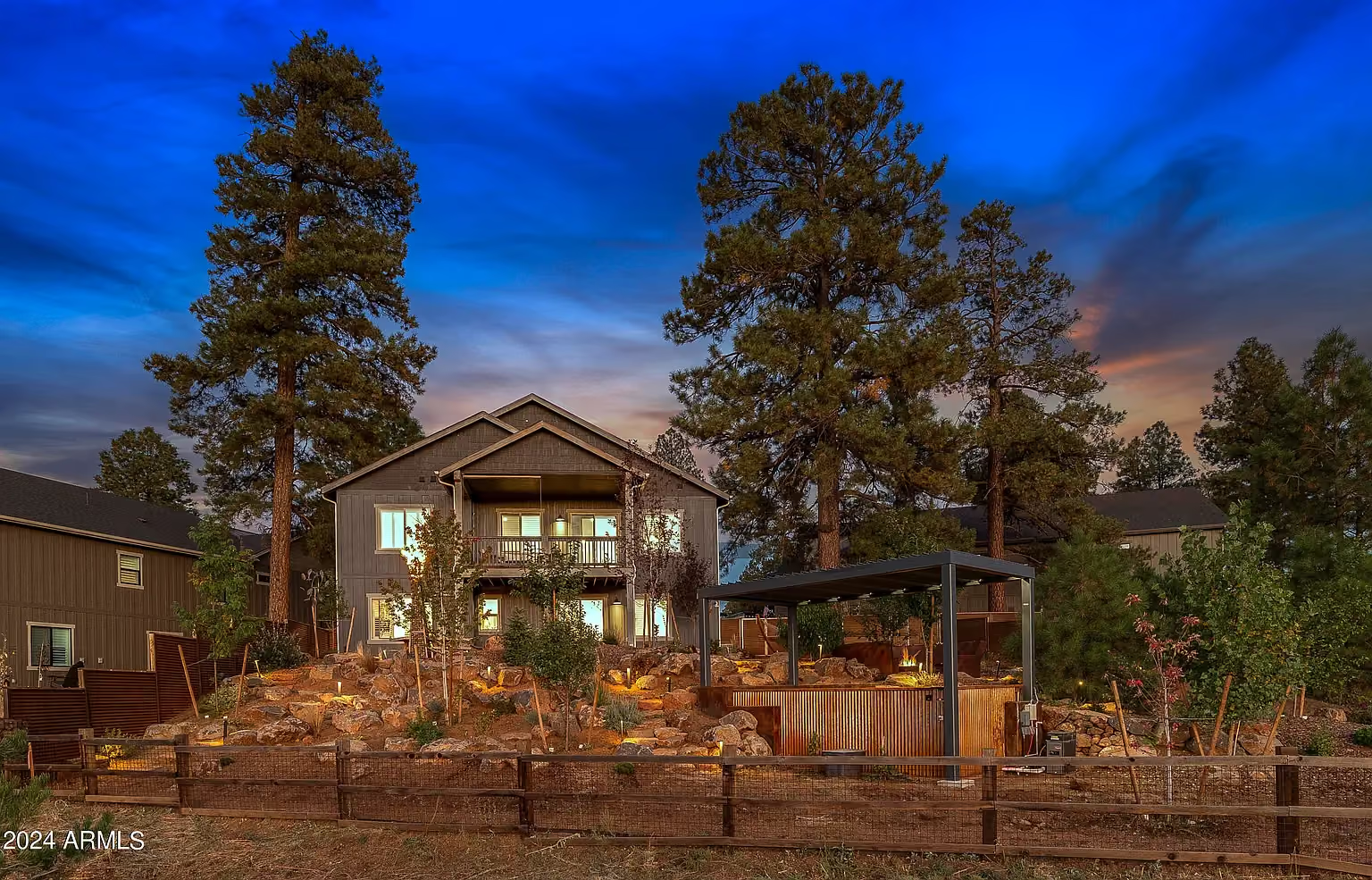
Learn how professional landscape design Arizona homeowners use to avoid costly mistakes, improve efficiency, and create long-lasting outdoor spaces.
Read More....avif)
Learn how modern desert landscaping Arizona homeowners can combine clean design, native plants, natural materials, and outdoor living features for a beautiful desert yard.
Read More...


