


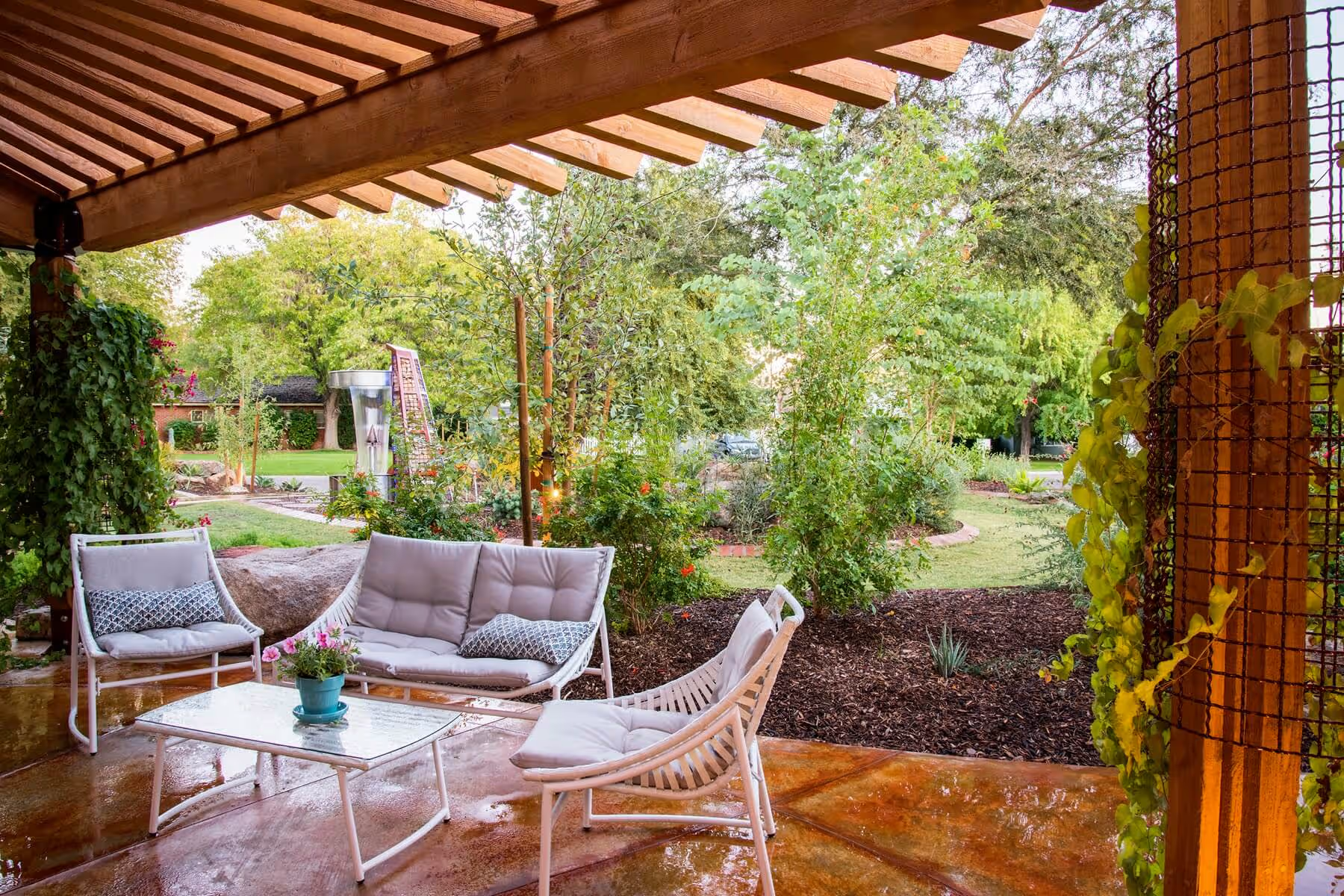
Arizona summers are known for their relentless heat, making shade one of the most valuable features in any landscape. A thoughtfully placed tree can make your patio more comfortable, help protect plants from intense afternoon sun, and create inviting outdoor spaces you'll actually want to use. When chosen carefully, shade trees also enhance curb appeal and become a lasting investment in your property.
Not every tree is suited for the Sonoran Desert. Some struggle in the heat, while others require more water and maintenance than many homeowners expect. The best shade trees for Phoenix are those that thrive in Arizona's climate while complementing a water-wise landscape design.
Whether you're planning a complete landscape renovation or looking to improve an existing yard, selecting the right shade tree is one of the most important decisions you can make.
Arizona's desert climate presents unique challenges that influence which trees perform best over the long term. Extreme summer temperatures, limited rainfall, alkaline soils, and occasional monsoon storms all play a role in a tree's health and longevity.
The best shade trees for Phoenix typically share a few important qualities:
Professional Phoenix landscape design goes beyond selecting attractive trees. Proper placement, irrigation planning, mature size, and sun exposure all determine how well a tree will perform and how much comfort it adds to your outdoor space.
As Arizona's state tree, the Palo Verde is one of the most recognizable choices for desert landscapes. Its distinctive green bark and bright yellow spring flowers bring seasonal color while blending naturally into the surrounding environment.
Although its canopy creates filtered rather than dense shade, it works exceptionally well around patios, walking paths, and garden areas. Once established, Palo Verde trees require relatively little water, making them an excellent fit for homeowners interested in water conservation and xeriscaping.
For homeowners who appreciate native beauty with minimal maintenance, the Palo Verde remains one of the best shade trees for Phoenix landscapes.
Despite its name, the Desert Willow isn't actually a willow tree. It's a flowering desert favorite known for producing beautiful trumpet-shaped blooms throughout the warmer months.
This tree provides moderate shade while adding vibrant color and attracting hummingbirds and pollinators. Its smaller size also makes it an excellent choice for courtyards, side yards, and properties where space is limited.
Homeowners looking for a tree that combines beauty with practicality often appreciate the Desert Willow's drought tolerance and relatively low maintenance requirements.
If creating shade quickly is your priority, the Tipu Tree is worth considering. Its fast growth and expansive canopy make it a popular option for homeowners who want relief from Arizona's intense afternoon sun without waiting decades.
Tipu Trees are particularly effective near patios, outdoor kitchens, and entertaining areas where additional shade makes spending time outside much more enjoyable.
Because this tree reaches a substantial mature size, careful placement is essential. Working with a professional landscape designer helps ensure the tree has enough space to grow while protecting nearby structures and hardscaping.
Although the Chinese Pistache isn't native to Arizona, it has become a favorite throughout Phoenix thanks to its impressive heat tolerance and attractive appearance.
Its dense canopy provides generous shade during the hottest months of the year, while its vibrant fall foliage adds seasonal interest that is uncommon in desert landscapes.
This tree works especially well in front yards, along driveways, and anywhere homeowners want both beauty and function. When properly irrigated during establishment, it adapts well to the desert climate and provides dependable shade for years to come.
For homeowners with larger properties, the Southern Live Oak offers one of the most impressive shade canopies available. While it grows more slowly than some other options, its broad, evergreen canopy provides year-round shade and creates a timeless, established look.
Because of its mature size, this tree is best suited for spacious landscapes in areas like Paradise Valley, Scottsdale, and Cave Creek. With proper planning and irrigation during establishment, a Southern Live Oak can become the centerpiece of an outdoor living space for generations.
Mesquite trees have long been a staple of Arizona landscapes, and for good reason. Native varieties are well adapted to the desert climate and require relatively little water once established.
Their naturally sculptural branches bring character to a landscape while creating filtered shade that's ideal for patios, garden beds, and seating areas. Mesquite trees also pair beautifully with boulders, decorative gravel, and other elements commonly found in desert landscaping.
Internal linking opportunity: Link to Natural Beauty with a Purpose: Arizona Xeriscaping That Lasts using the anchor text benefits of Arizona xeriscaping.
If you're looking for an evergreen tree that combines beauty with durability, Texas Ebony is an excellent option.
Its dense canopy provides welcome shade throughout the year, while its dark green foliage creates a striking contrast against Arizona's desert palette. Once established, Texas Ebony is drought tolerant and requires relatively little maintenance, making it a great choice for homeowners seeking long-term value.
Because it grows at a slower pace, it's often selected by homeowners who are planning for the future rather than looking for immediate shade.
Choosing the right tree is only part of the process. How and where it's planted can have just as much impact on its long-term success.
Some of the most common mistakes include:
A well-planned Phoenix landscape design takes these factors into account from the beginning, ensuring your trees enhance both the beauty and functionality of your property.
The Tipu Tree is one of the faster-growing options commonly used in Phoenix landscapes. When planted in the right location and cared for properly during establishment, it can develop a broad canopy relatively quickly.
Native trees like Palo Verde and Mesquite are among the most water-efficient choices once established. They are well adapted to Arizona's climate and work especially well in xeriscape landscapes.
Not necessarily. Native trees are an excellent option for many properties, but adapted trees like the Chinese Pistache can also perform very well when selected for the right location and supported by efficient irrigation.
Fall and early spring are generally the best times to plant trees in the low desert. Milder temperatures allow roots to establish before the extreme heat of summer arrives.
If you're planning a landscape renovation, selecting the right shade trees is one of the best ways to create a cooler, more comfortable outdoor space that complements Arizona's climate. Explore the MountainScapers Project Gallery to see how thoughtfully designed landscapes combine shade trees, desert landscaping, outdoor living features, and water-wise design to create beautiful spaces that can be enjoyed year-round.

.png)
.webp)

Discover the backyard transformations Arizona homeowners are choosing to improve outdoor living, functionality, comfort, and long-term landscape value.
Read More...
Learn how professional landscape design Arizona homeowners use to avoid costly mistakes, improve efficiency, and create long-lasting outdoor spaces.
Read More....avif)
Learn how modern desert landscaping Arizona homeowners can combine clean design, native plants, natural materials, and outdoor living features for a beautiful desert yard.
Read More...


