


.avif)
A green lawn can completely change the look of a backyard, but keeping natural grass healthy in Arizona's desert climate can be challenging. Between extreme summer heat, water conservation, and ongoing maintenance, many homeowners are exploring alternatives that better fit their lifestyle.
One option that continues to grow in popularity is artificial turf Arizona homeowners can incorporate into a thoughtfully designed landscape. Modern synthetic turf offers a clean, consistent appearance without the mowing, fertilizing, or reseeding required for natural grass.
However, artificial turf is not the right solution for every property. Understanding how it performs in Arizona's unique climate can help you decide whether it fits your outdoor living goals.
Artificial turf has become a popular choice for homeowners who want a landscape that looks attractive throughout the year while reducing routine lawn care.
Instead of replacing every planting area with synthetic grass, many homeowners use turf to complement other landscape features such as patios, planting beds, walkways, and outdoor entertainment spaces.
Common reasons homeowners consider artificial turf include:
When incorporated into a complete landscape design, artificial turf can create a polished appearance while working alongside Arizona-friendly plants, hardscape, and shade structures.
Arizona's climate is different from many other parts of the country, which makes it important to understand how artificial turf responds to local conditions.
Unlike natural grass, synthetic turf does not require regular watering to stay green. However, it is still exposed to intense sunlight, high temperatures, dust, and seasonal monsoon weather.
A successful installation begins with understanding both the benefits and the considerations.
One of the biggest factors homeowners should consider is surface temperature.
Like many outdoor materials, artificial turf can become warm when exposed to direct sunlight for long periods. This does not mean turf should be avoided, but it does mean comfort should be part of the overall landscape design.
Ways to improve comfort include:
A balanced design creates outdoor spaces that remain more enjoyable throughout Arizona's hottest months.
Many homeowners focus on how artificial turf looks, but what lies underneath is equally important.
Proper drainage allows water from rain, irrigation, or routine cleaning to move through the turf and away from surrounding areas.
A professionally designed base helps support:
For Arizona homeowners, proper drainage planning is especially valuable during monsoon season, when heavy rainfall can quickly expose problems with poorly prepared landscapes.
One of the biggest misconceptions is that artificial turf should replace every natural element in the yard.
In reality, many of the most successful Arizona landscapes use synthetic turf alongside other materials to create balance and visual interest.
Artificial turf pairs well with:
Combining these elements creates a landscape with texture, variety, and functionality while helping reduce maintenance compared to a traditional lawn.
Artificial turf can also be used in spaces where natural grass may be difficult to maintain.
Some homeowners choose turf for:
Using turf selectively often creates a more natural-looking landscape than installing it wall to wall.
It also allows room for colorful planting beds, shade trees, and outdoor living features that make Arizona backyards feel more inviting.
Artificial turf is only as good as the foundation beneath it. While the finished surface gets the most attention, proper installation plays a major role in how well the turf performs over time.
A professionally installed system includes careful site preparation, a stable base, proper grading, and drainage designed for the property's unique conditions.
Quality installation helps provide:
Taking shortcuts during installation can lead to uneven surfaces, drainage problems, or premature wear, making professional planning an important part of the investment.
One of the biggest advantages of artificial turf is that it eliminates many of the maintenance tasks associated with natural grass. However, it is not completely maintenance free.
To keep artificial turf looking its best, homeowners should plan for occasional upkeep such as:
These simple tasks help maintain the appearance of the turf and keep outdoor spaces looking clean throughout the year.
Artificial turf can be an excellent solution for many properties, but it is not the ideal choice for every area of the landscape.
For example, homeowners may prefer natural planting beds in locations where they want seasonal color, habitat for pollinators, or a softer transition between hardscape and outdoor living spaces.
Likewise, areas with heavy afternoon sun may benefit from additional shade planning before turf is installed.
The best landscapes often combine several elements, including:
This balanced approach creates visual interest while allowing each material to serve a specific purpose.
Choosing between natural grass and artificial turf depends on how you plan to use your outdoor space.
Artificial turf may be a good fit if your goals include:
It is also important to consider how the turf will work with the rest of the landscape. A complete design should account for shade, irrigation, drainage, hardscape, and plant selection so every element works together.
When planned thoughtfully, artificial turf can become one part of a functional backyard rather than the entire landscape.
Yes. Like many outdoor surfaces, artificial turf can become hot during Arizona summers when exposed to direct sunlight. Shade structures, trees, and thoughtful landscape design can help improve comfort.
Yes. Although it eliminates mowing and fertilizing, artificial turf still benefits from occasional brushing, rinsing, and debris removal to maintain its appearance.
Artificial turf is commonly used for family and pet-friendly spaces because it provides a durable, usable surface throughout the year. The best product and design depend on how the space will be used.
Replacing a traditional lawn with artificial turf can reduce the irrigation needed for that portion of the landscape. However, trees, shrubs, and planting beds will still require appropriate watering based on their needs.
Internal linking opportunity: Link to Smart Irrigation Systems: Are They Worth It for Arizona Homeowners? using the anchor text water-saving landscaping solutions.
Absolutely. Many of the most attractive Arizona landscapes combine synthetic turf with native plants, decorative rock, shade trees, and custom hardscape to create a balanced outdoor environment.
Explore the MountainScapers Project Gallery to see how professionally designed Arizona landscapes combine artificial turf, custom hardscape, native plants, shade structures, and outdoor living spaces to create beautiful backyards built for the desert.

.png)
.webp)

Discover the backyard transformations Arizona homeowners are choosing to improve outdoor living, functionality, comfort, and long-term landscape value.
Read More...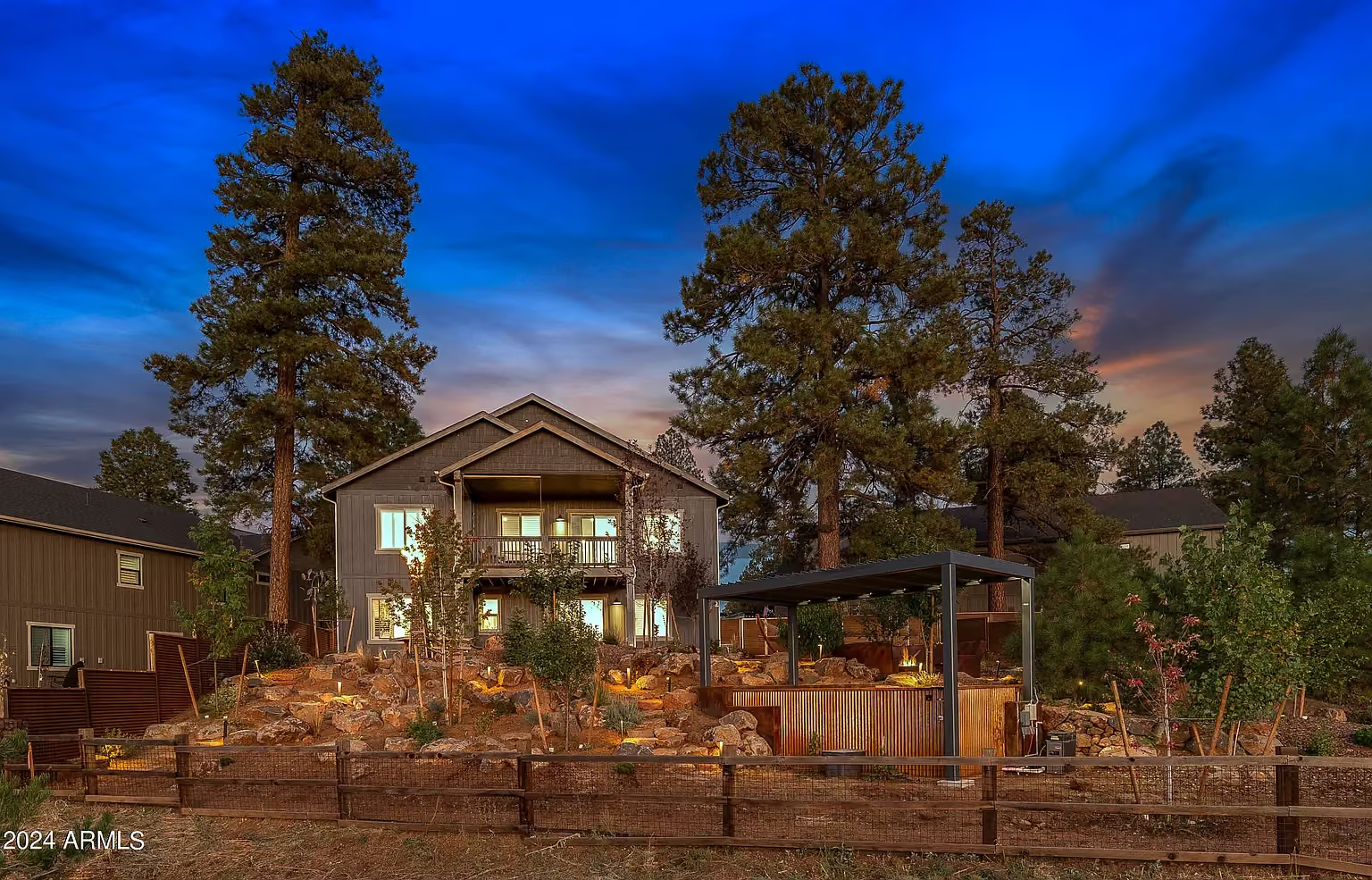
Learn how professional landscape design Arizona homeowners use to avoid costly mistakes, improve efficiency, and create long-lasting outdoor spaces.
Read More....avif)
Learn how modern desert landscaping Arizona homeowners can combine clean design, native plants, natural materials, and outdoor living features for a beautiful desert yard.
Read More...


